 Business License
Advantages of Melting Point Determination via Capillary Method
The capillary method is a classic and most widely adopted technique for measuring the melting point of solid substances. Its status as a standard technique adopted by pharmacopoeias worldwide and chemical laboratories is primarily attributed to the following major advantages:
🧪 Core Advantages
Simple operation and low cost
The principle of this method is straightforward, and the required instruments (such as Thiele tubes, thermometers, alcohol lamps, etc.) and consumables (glass capillaries) are all very simple and low-cost. This makes it an ideal option for teaching laboratories and routine testing.
Minimal sample requirement
Only 1–3 milligrams of sample are required for a single measurement. This is a significant advantage for substances obtained in small synthetic yields, high-priced substances, or substances that are difficult to acquire in large quantities (such as intermediates in new drug development).
Reliable results and rich information
Substance identification: Melting point is one of the fundamental physical constants of a substance. Unknown compounds can be preliminarily identified by comparing the measured melting point with the literature value.
Purity assessment: This is one of the most important applications of the capillary method. Pure crystalline substances generally have a fixed and sharp melting point, with a very narrow melting temperature range (melting range, typically less than 1°C). The presence of impurities, by contrast, leads to a decrease in melting point and a broadening of the melting range. Purity of samples can thus be determined rapidly and qualitatively by observing the melting range.
📈 Modern Development
With technological advancement, the traditional visual capillary method has evolved into automated digital melting point instruments. These instruments retain the advantages of the capillary method while achieving the following improvements:
Automation and high precision: The instruments can accurately control the heating rate, and automatically determine the melting point by detecting changes in the light transmittance of the sample via photoelectric sensors, which eliminates the subjective error introduced by manual visual observation, yielding more accurate results with better repeatability.
High-throughput measurement: Certain instruments can measure multiple samples simultaneously, greatly improving work efficiency.
Data traceability: The instruments can automatically record and store data, satisfying the compliance requirements of modern laboratories, such as the GMP certification requirements for the pharmaceutical industry.
In summary, with its characteristics of simplicity, economy, rapidity and high efficiency, the capillary method plays an irreplaceable role in substance identification and purity analysis.
Would you like me to organize a document containing the standard operating procedures and precautions for melting point measurement via the capillary method?
Recently Posted
-
Applications of Large Platform 3D Gyratory Shakers in Modern Laboratories
August 1, 2026Introduction 3D gyratory shakers deliver unique multi-dimensional nutating motion, creating gentle swirling mixing without h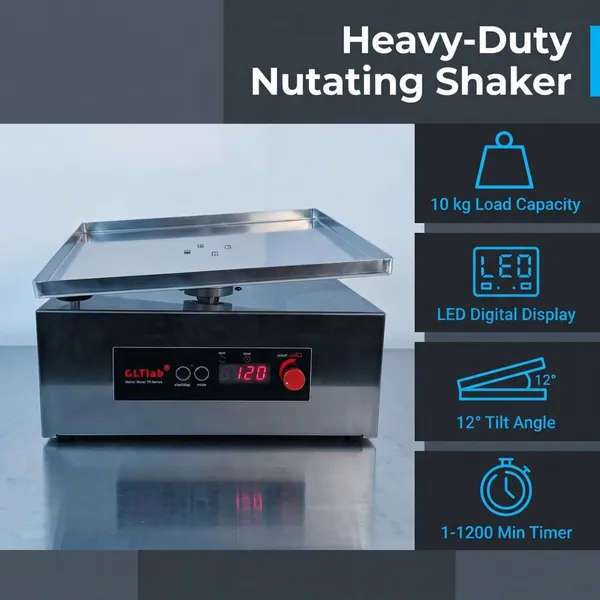 Read More
 -
Characteristics of a Roller Mixer Adapted for Carbon Dioxide Incubators
May 5, 2026To operate stably for a long time in a CO₂ incubator, a roller mixer must meet a series of special requirements to cope with the h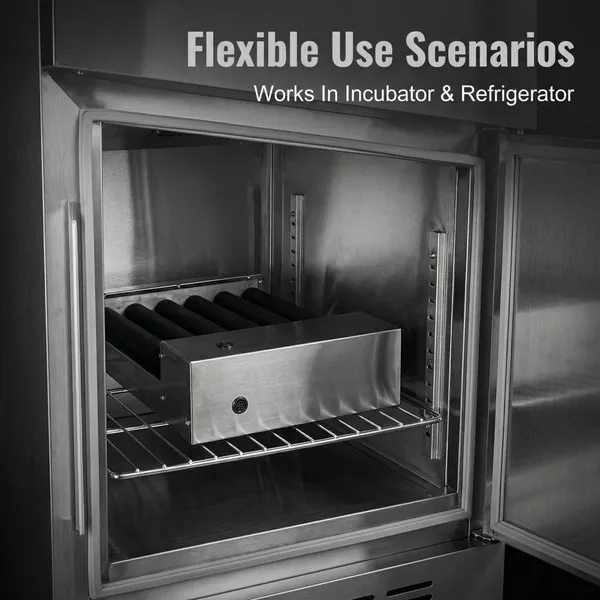 Read More
 -
Features of Multiple Synchronous Magnetic Stirrers
April 28, 2026The most core feature of the multi-channel synchronous magnetic stirrer lies in its powerful parallel processing capability. It ca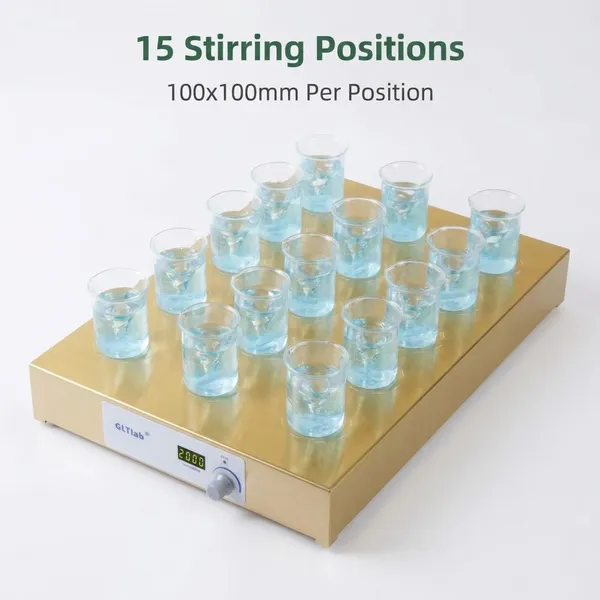 Read More
 -
The application of roller mixer in the pre-treatment stage of ICP
March 2, 2026Advantages of the Roller Homogenizer in ICP Sample Pre-treatmentThe roller homogenizer adopts a low-speed and gentle rolling homog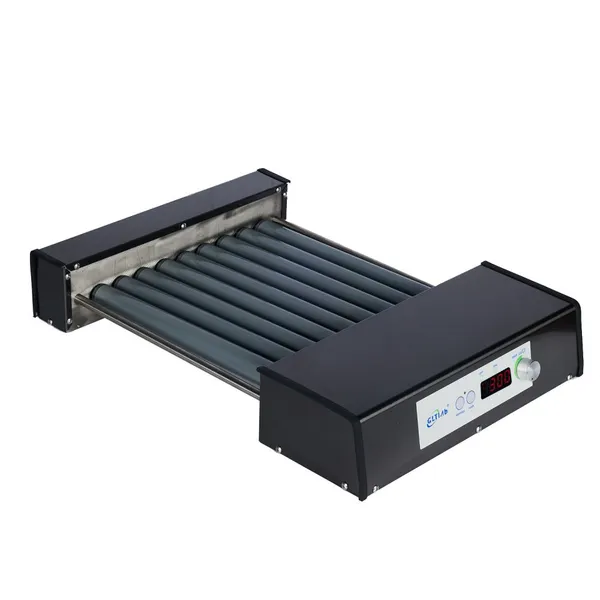 Read More

Contact Us
Recommended Products
-
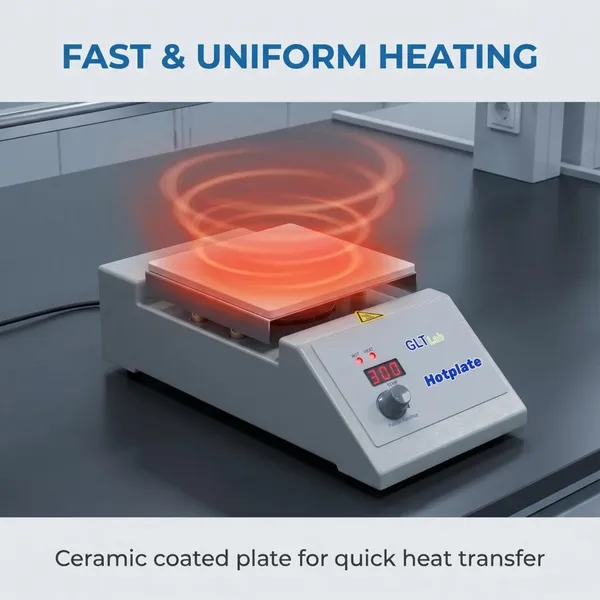
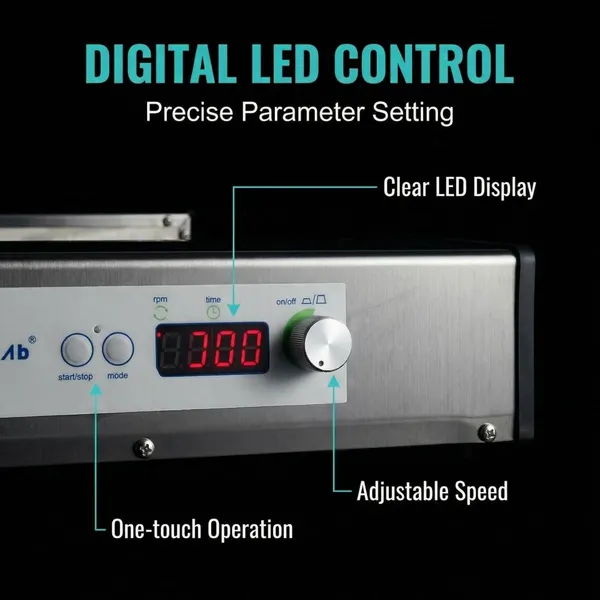
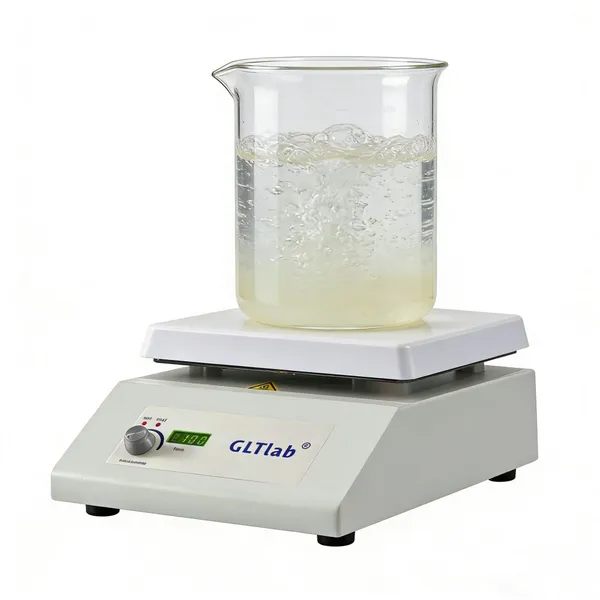
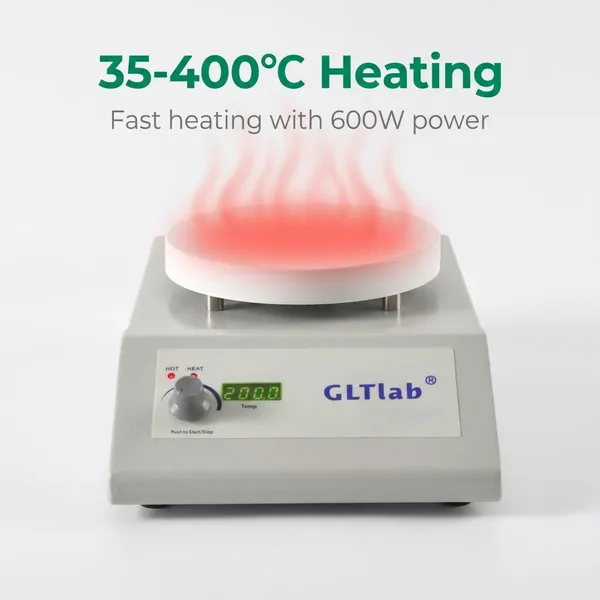
 Lab Hotplate With Digital and LED DispalayUS$ 59.9 - 69.9MOQ: 1 Set
 -
Roller Mixer With 24 RollersUS$ 700 - 800MOQ: 1 Piece
-
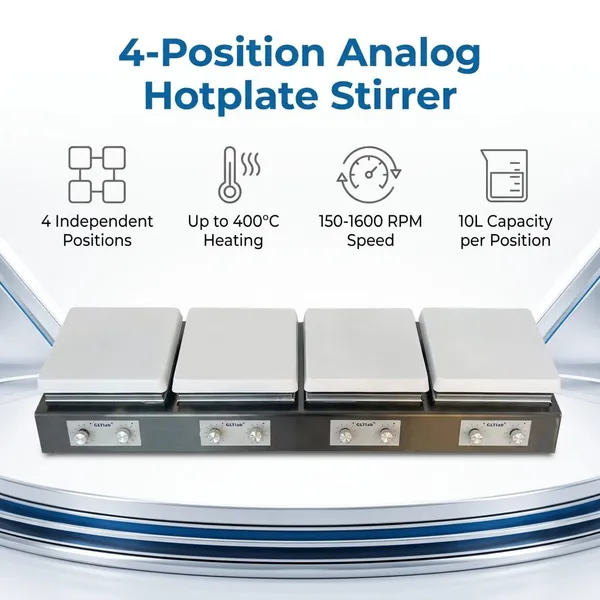
Four-piece Four-spoke Ceramic Plate Multi-position Heating Magnetic StirrerUS$ 560 - 650MOQ: 1 Piece
-
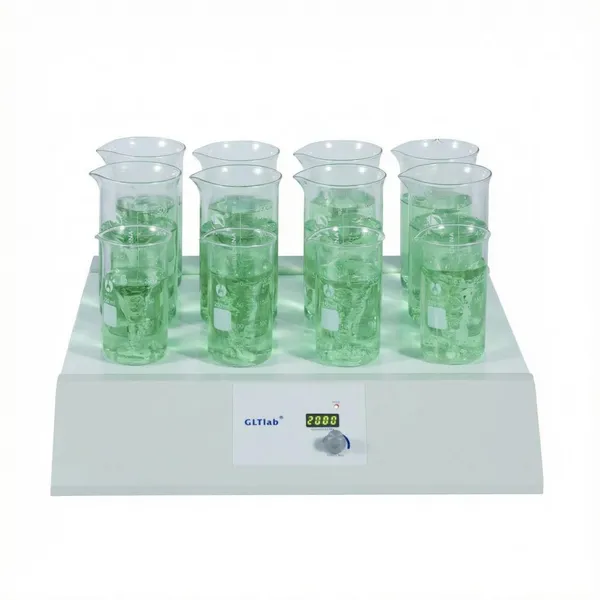
Multi Position Magnetic Stirrer Without HeaterUS$ 520 - 600MOQ: 1 Piece
-
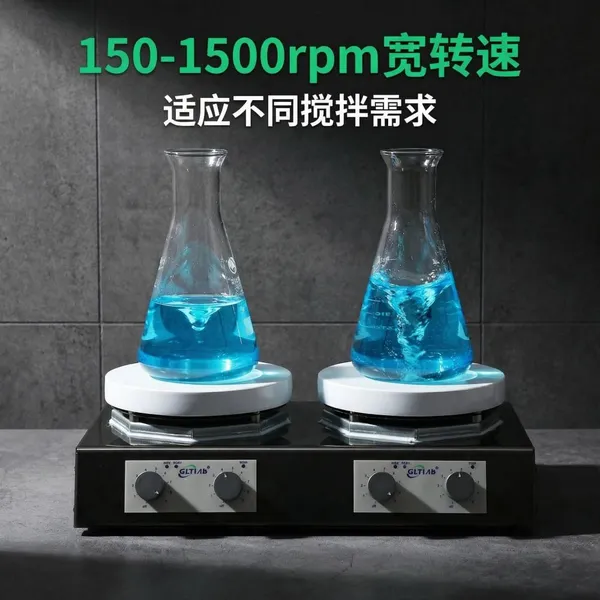
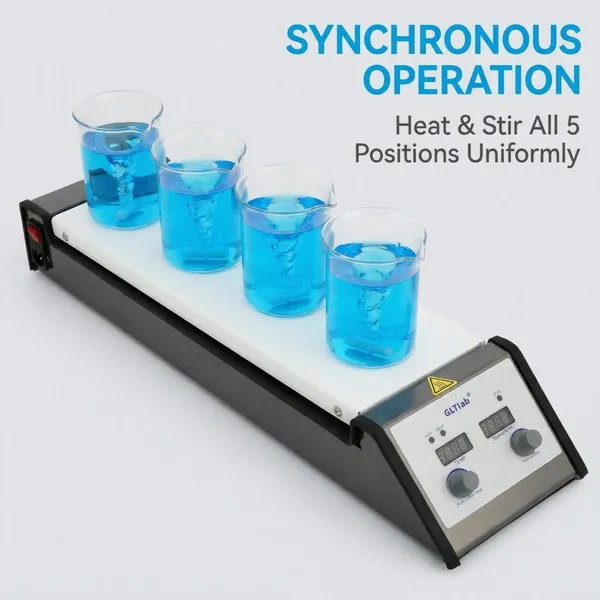
Multi-position Magnetic Stirrer HotplateUS$ 180 - 230MOQ: 1 Piece

-
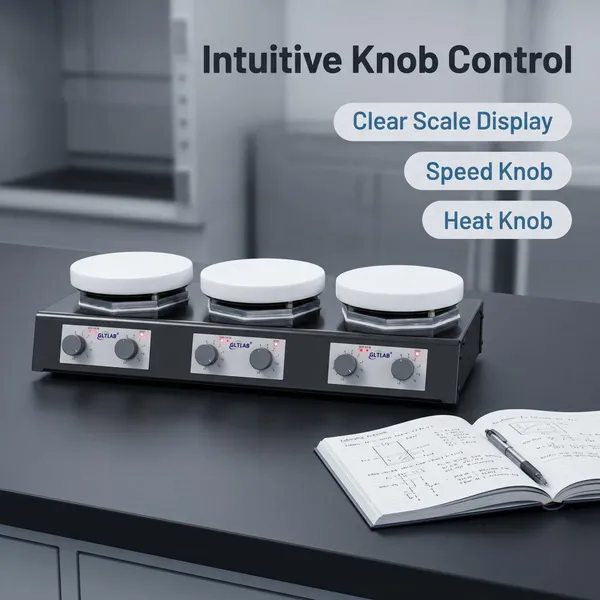
3 Positions Magnetic Stirrer HotplateUS$ 229 - 299MOQ: 1 Piece
-
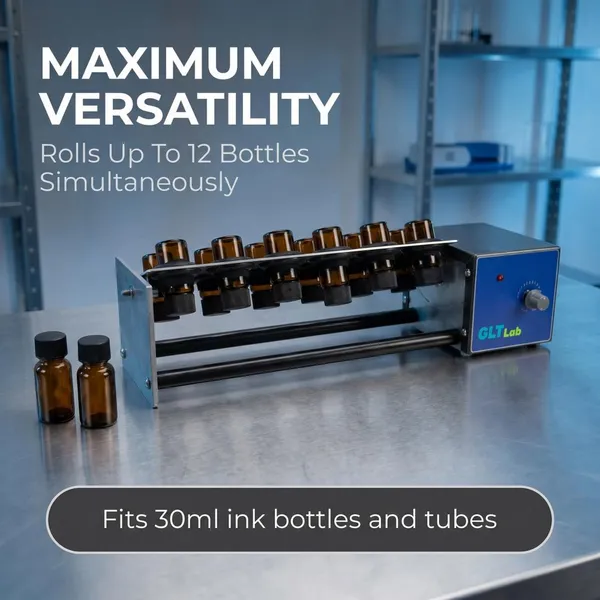
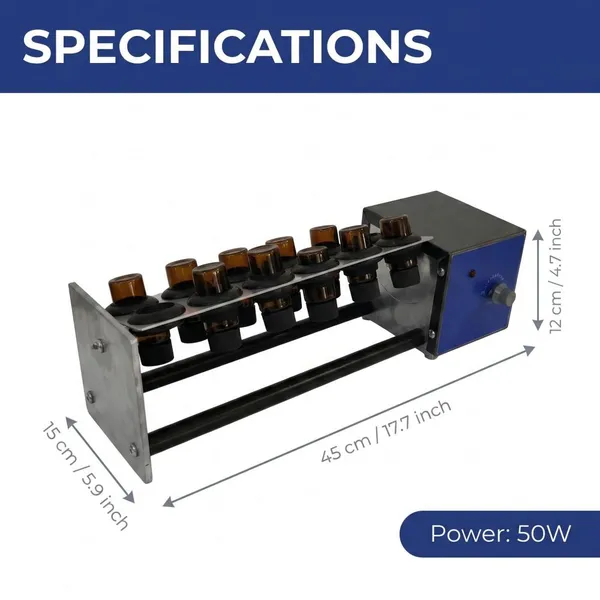
Long-axis Rotating Mixer From GLTLabUS$ 60 - 80MOQ: 10 Sets
-
Multi Position Magnetic Stirrer With HeaterUS$ 560 - 650MOQ: 1 Piece
-
GLTLab Digital Heating Equipment Aluminum HoaplateUS$ 110 - 150MOQ: 1 Carton
-
Digital 6'' Heating Plate With Ceramic Coated Aluminum Top PlateUS$ 100 - 150MOQ: 1 Combo
-
Roller Mixer With 20 RollersUS$ 700 - 800MOQ: 1 Piece
-
10-inch Multi-Function Digital Magnetic StirrerUS$ 499 - 600MOQ: 1 Set
-
3-channels Multi-position Heating Magnetic Stirrer Digital LED DisplayUS$ 400 - 500MOQ: 1 Piece
-
Digital 6-channel Magnetic StirrerUS$ 400 - 500MOQ: 1 Set
-
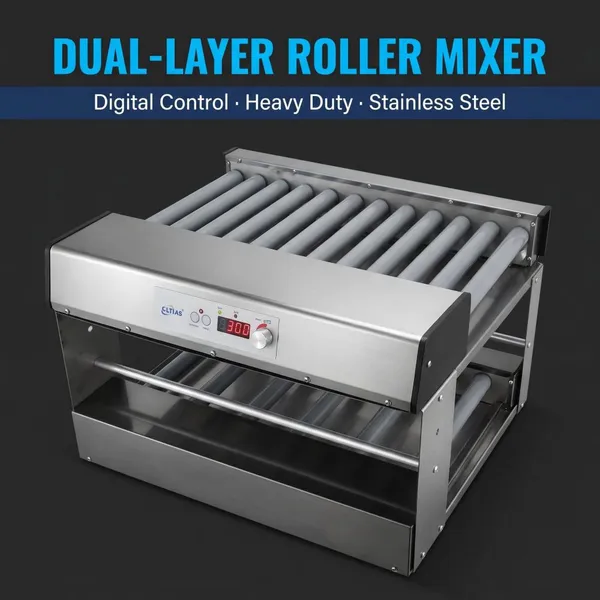
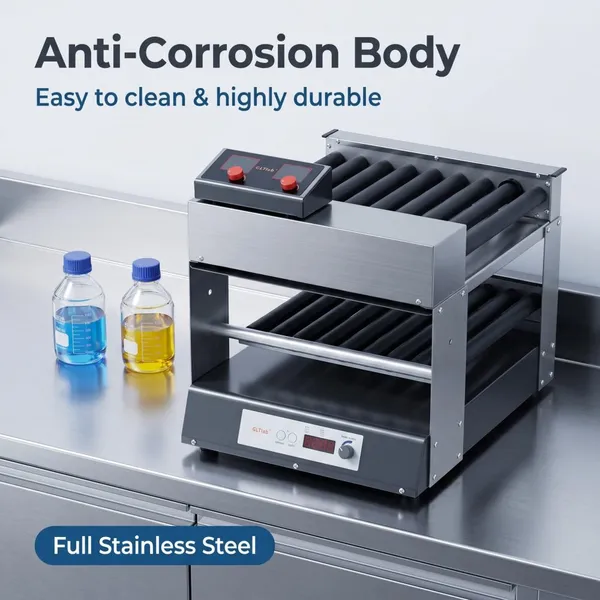
Dual-layer Roller Mixer With Support Frame and Network-controllable OperationUS$ 799 - 999MOQ: 1 Set